
Acting Chair: Gary Dingle
https://naacp.org › know-issues › environmental-climate-justice
Environment & Climate Justice – NAACP
Climate change and environmental injustice: we work to address the many practices that are harming Black communities nationwide and worldwide. We fight for the policies needed to rectify these impacts and advance a society that fosters sustainable, cooperative, regenerative communities that uphold all rights for all people in harmony with the earth.
Environmental Justice Policies – NAACP
Apr 1, 2021 Environmental Justice Policies As the world focuses on taking care of the environment and fighting climate change, we must make sure Black communities are included in potential solutions. Our policy recommendations Prioritize opportunities for Black entrepreneurs in the green economy
https://www.epa.gov › environmental justice
https://www.justice.gov › usao-edmi › environmental-justice
https://www.epa.gov › environmental justice › environmental-justice-your-community
What is Environmental Justice: Principles, Importance and Examples
The following are examples of environmental justice over the years and cases where environmental justice was applied. According to Ejolt, only about thirty-five percent of cases on ecological justice cases reach any conclusion compared to seventeen percent of global cases.
Examples of Environmental Injustice Ben Crump Law, PLLC
Some examples of environmental injustice include contaminated water sources, air pollution, and health problems in a community. 800-959-1444 Español EspanolMedia Requests Free Consultations / No Fees Until We Win 800-959-1444 About Our Attorneys Our Offices Results Advocacy National Practice Areas Birth Injury Truvada Lawsuit Personal Injury
Environmental Justice: Gary Dingle March 2026
Environmental Justice Chair for the NAACP branch, I’ve looked into the reports regarding the red-brown dust in the South Suburbs.
Based on current local data from February and early March 2026, there is a specific atmospheric event that matches your description.
The Likely Cause: “Dirty Rain” from Plains Wildfires
On February 18, 2026, residents across the Chicago area, specifically in the South and Southwest suburbs (like Manhattan and Homewood), reported fine, red-brown or “muddy” dust coating cars and homes.
- Source: Large-scale wildfires in Oklahoma and Kansas (specifically the Ranger Road Fire, which burned over 145,000 acres).
- Mechanism: High southwest winds lofted ash, soil, and particulate matter into the upper atmosphere. When the weather system moved through Illinois, these particles became the nuclei for raindrops. As the rain evaporated, it left behind a visible, rusty-colored sediment.
- Color Profile: The “red-brown” hue is characteristic of the clay-rich soil and ash from the Southern Plains.
Secondary Environmental Factors
While the wildfire event is the most likely immediate culprit for a “sudden” appearance of dust, your position as EJ Chair may lead you to consider these ongoing local contributors:
- Bulk Material Handling: Recent reports from the Chicago Department of Public Health (CDPH) highlight ongoing issues with “bulk material” facilities in the industrial corridors. These sites store materials like manganese and iron ore, which can produce reddish-brown dust if wind mitigation fails.
- Atmospheric Inversions: In early February 2026, meteorologists noted temperature inversions in the region. This “traps” industrial pollution and ozone closer to the ground, which can exacerbate the settling of particulates from local sources like metal recyclers and asphalt plants.
Actionable Steps for Your Team
- Air Quality Monitoring: Check the EPA’s AirNow or the PurpleAir network for spikes in PM_{2.5} or PM_{10} levels on the specific days the dust appeared.
- Report to Illinois EPA: If the dust persists or has a metallic odor, you can file a formal complaint with the Illinois EPA or the CDPH, as they are currently investigating odor and particulate complaints in the South Suburbs.
- Community Impact: As you’ve noted in your previous work regarding cumulative impacts, even “natural” dust from wildfires adds to the existing “toxic soup” of industrial particulates that South Suburban residents already breathe.
A Call for Environmental Justice
Examples of Environmental Injustice Ben Crump Law, PLLC
Some examples of environmental injustice include contaminated water sources, air pollution, and health problems in a community. 800-959-1444 Español EspanolMedia Requests Free Consultations / No Fees Until We Win 800-959-1444 About Our Attorneys Our Offices Results Advocacy National Practice Areas Birth Injury Truvada Lawsuit Personal Injury
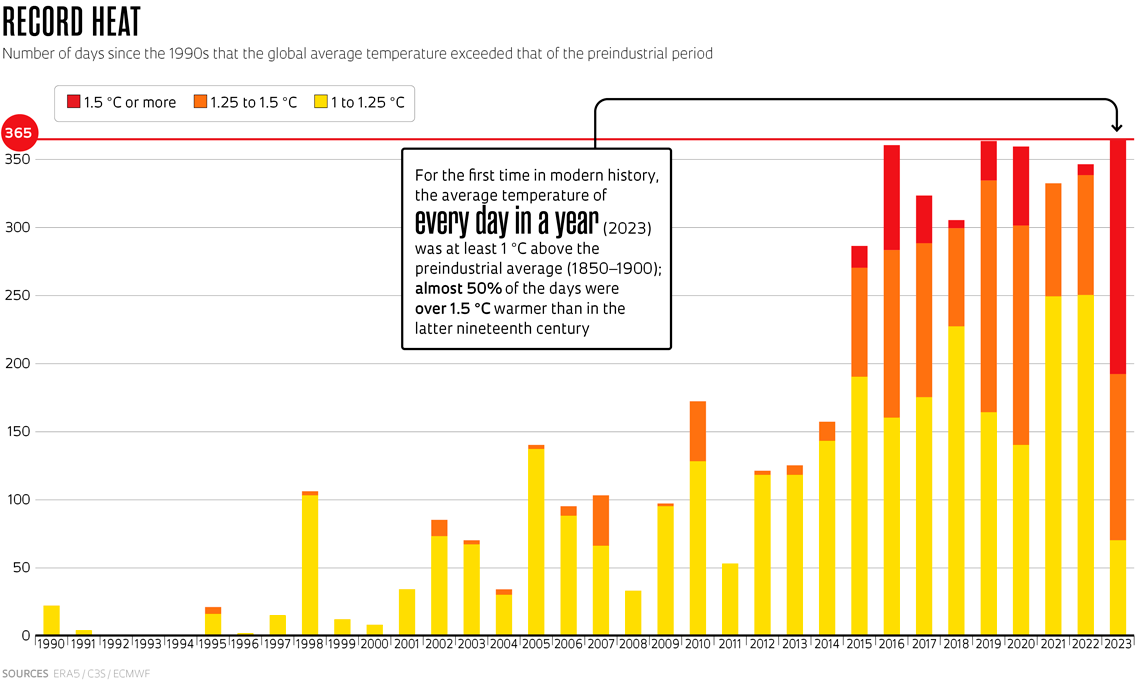
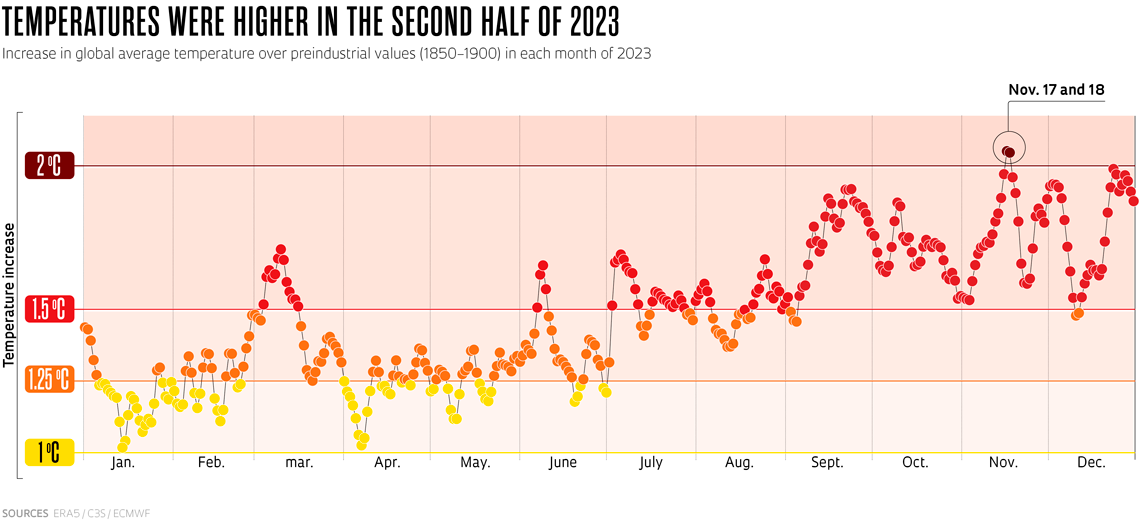
https://www.youtube.com/watch?v=G4H1N_yXBiA&pp=ygU1VGhlIGJlc3QgZXhwbGFuYXRpb24gb2YgdGhlIGFmZmVjdHMgb2YgQ2xpbWF0ZSBDaGFuZ2U%3Dhttps://www.youtube.com/watch?v=J1KGnCj_cfM&t=16s&pp=ygU1VGhlIGJlc3QgZXhwbGFuYXRpb24gb2YgdGhlIGFmZmVjdHMgb2YgQ2xpbWF0ZSBDaGFuZ2U%3D
What does it mean to have increasing temperatures?
Learn more
“Increasing world temperatures” refers to the gradual rise in the Earth’s average surface temperature over time, primarily caused by human activities like burning fossil fuels which release greenhouse gases that trap heat in the atmosphere, leading to a warming planet with potential impacts like more extreme weather events, rising sea levels, and disrupted ecosystems.
Key points about increasing world temperatures:
Cause:
Primarily driven by human-generated greenhouse gases like carbon dioxide, which trap heat in the atmosphere.
Measurement:
Scientists track the average global temperature, comparing it to historical baselines to measure the increase.
Impacts:
More frequent and intense heatwaves
Rising sea levels due to melting glaciers and ice sheets
Changes in precipitation patterns, leading to more extreme droughts and floods
Disruption of ecosystems and wildlife habitats
Potential for increased spread of diseases
https://youtu.be/v2n06hxfH8A?si=Xi2wXJu7OXsbF2xJ